


Showcases
Background
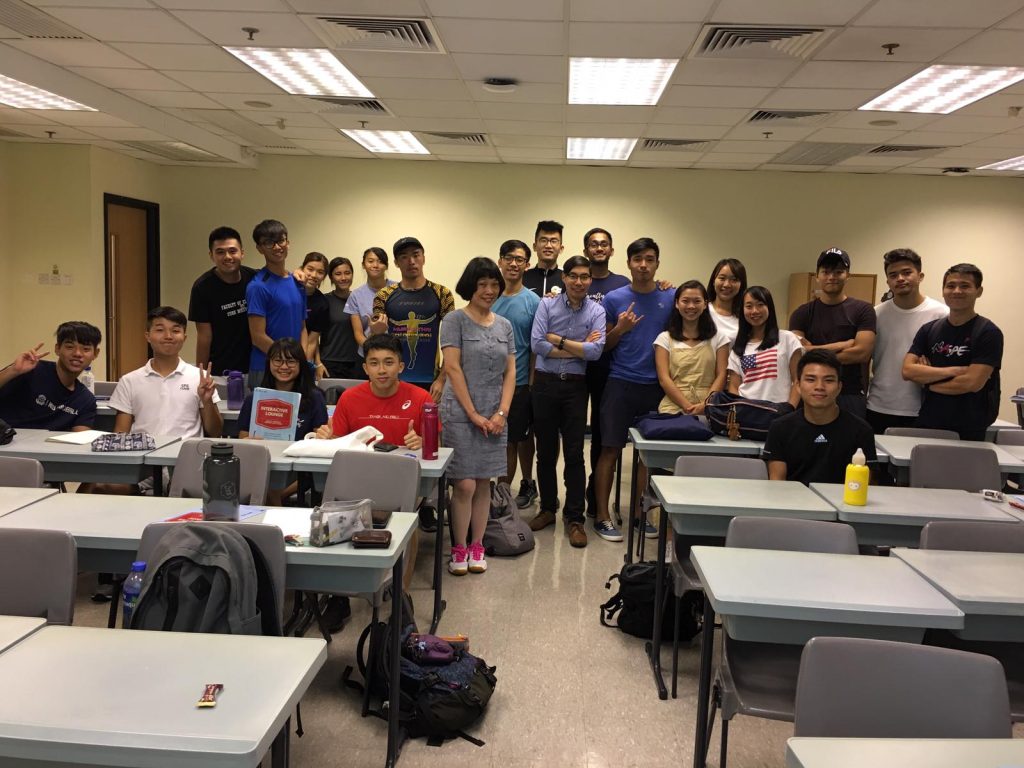
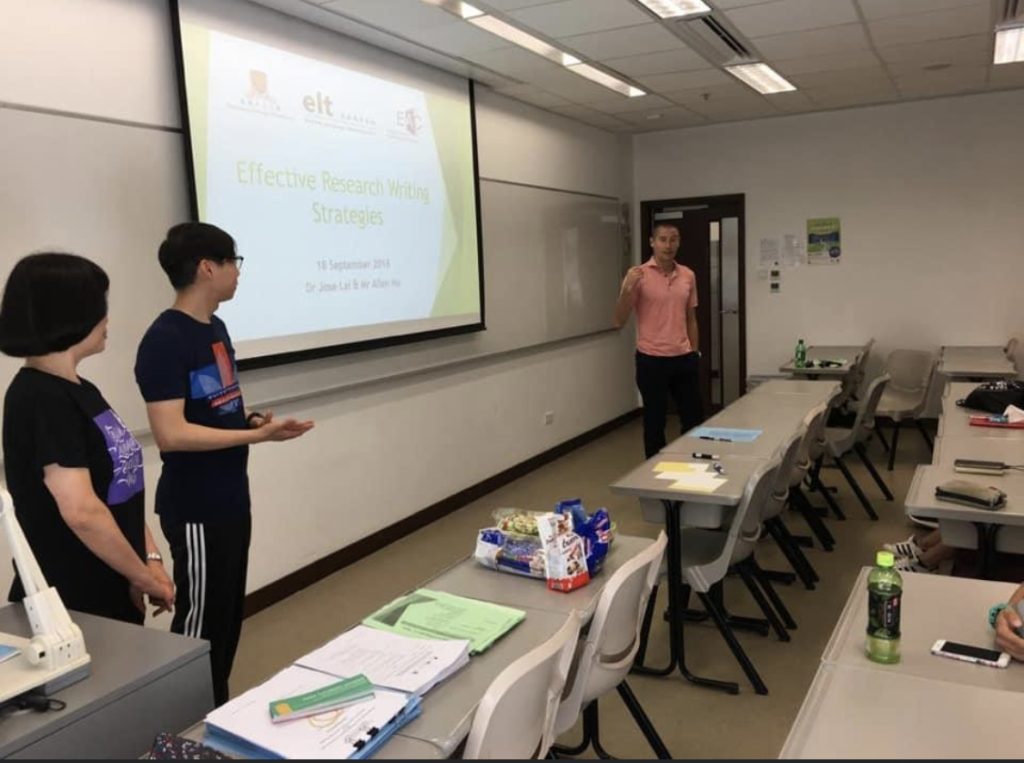
The collaboration between the EAC project team and the Department of Sports Science and Physical Education (SSPE) started in the summer of 2017. The focus of our collaboration is on research writing; specifically, ongoing support is provided to empower students to complete research proposals (in the course SPED3630 Introduction to Research Methods) and final-year project reports (in the course SPED4900 Research Project) across two academic years. Since 2017, we have been supporting five cohorts of students from the 2-year and 5-year programmes respectively.
Approach
Needs Analysis: To have a better grasp of the difficulties encountered by the SSPE students in their research writing journey, samples of their research proposals and research reports were collected and analysed. Based on the textual analyses, some common problems related to macro issues (e.g., overall structure and coherence) and micro issues (e.g., language use and citation of references) were identified, which were converted into contextualized teaching materials for the two-part research writing workshops.
Personalized Support: Understanding that research writing is a challenge to many SSPE students, individual feedback was provided to their research proposal draft (in the course SPED3630 Introduction to Research Methods) in an attempt to provide individualized support.
Outcomes
Based on the analysis of students’ research proposal draft submitted to the EAC project team and the final version submitted to the teachers of SPED3630, it was found that they had made significant improvements, especially in the areas of referencing, introduction writing, as well as literature review writing.
At the same time, the support from the EAC project team has been highly recognized by the SSPE Department in a sense that students’ participation in the research writing workshops has been made compulsory and specified on the Final-year Project Student Handbook.
Background
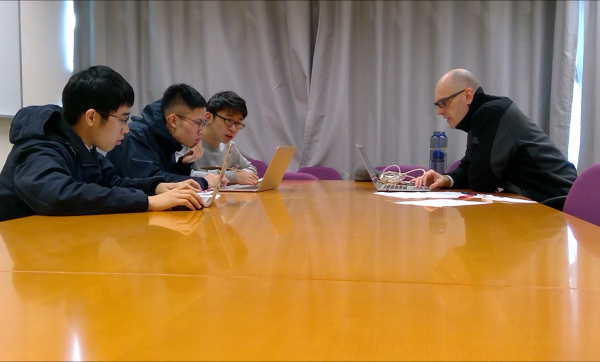
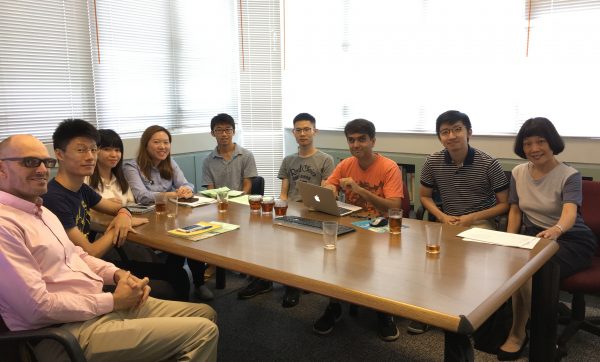
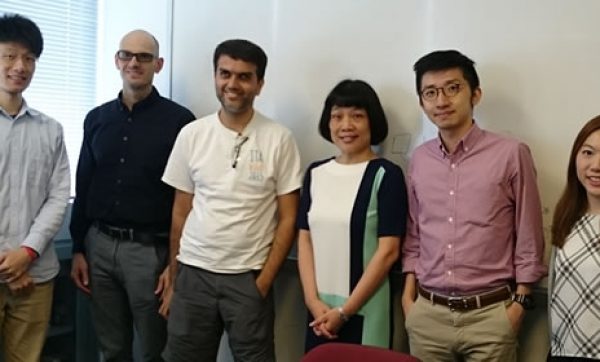
The EAC team has been collaborating with Prof Sidharth Jaggi of the Department of Information Engineering since the 2016-17 academic year. Knowing Engineering students often encountered difficulty in English writing and speaking, the EAC team has been offering a series of language support to IE students who work on their Final Year Projects (FYPs) to fulfil the academic programme requirements and the Hong Kong Institute of Engineers (HKIE) attributes.
Approach
Textual/needs analyses: One analysis was conducted on over 100 FYP sample, interim and final FYP reports of previous two academic years, with key findings established in January, 2017. Another analysis was conducted on about 60 FYP group presentation videos and posters of previous two academic years, with key findings established in March, 2017. Based on these analyses, the foci of the two respective workshops were identified.
Tailor-made materials: Two sets of learning materials, including some annotated student works and extracts, guidelines of report writing structure and of poster designing structure, and examples of effective language usage in each section of the report and of the poster, were prepared for the two corresponding workshops.
Trainings for teaching assistants: In 2016–17 academic year, two one-hour training sessions for the content TAs led by Mr Chris Rozendaal and Mr Rickey Lu were held on 18 January and 30 March, 2017 respectively. The former focused on training the TAs about grading FYP reports and giving appropriate feedback to students, while the latter focused on grading posters for FYP presentation and giving appropriate feedback to students. Language rubrics created by the EAC team were introduced to the content TAs as assisting tools.
In 2017-18 academic year, the same session for training new TAs about grading and giving feedback on FYP reports was held again on 6 October, 2017. In addition, elements about FYP proposals and more practical suggestions were provided, and the whole session was lengthened to one and a half hour.
Grading and feedback system: In 2016–17 academic year, the content TAs were responsible for grading and giving feedback on the first two FYP interim reports, and for double-grading the FYP final reports. Prior to the deadlines of grade submission, Mr Chris Rozendaal and the EAC team checked the comments and language marks given by the content TAs, and gave some comments/suggestions to the content TAs about their work. Mr Rozendaal also offered a session of score moderation to help the content TAs with the grading of boundary and problematic cases.
In 2017-18 academic year, the new content TAs are required to grade and give feedback on an FYP (interim) proposal and report, and an FYP final report in each term. Mr Rozendaal and the EAC team have planned to hold a moderation meeting after every due date of students’ reports to facilitate the content TAs’ grading and feedback-giving process.
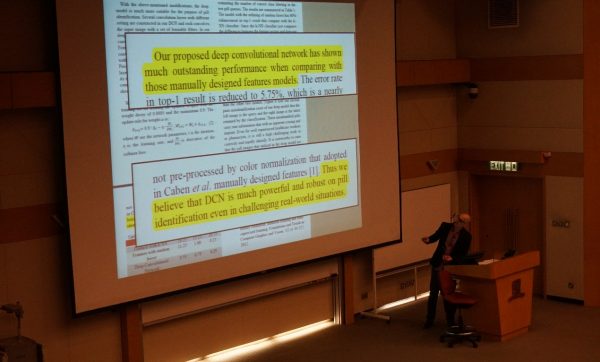
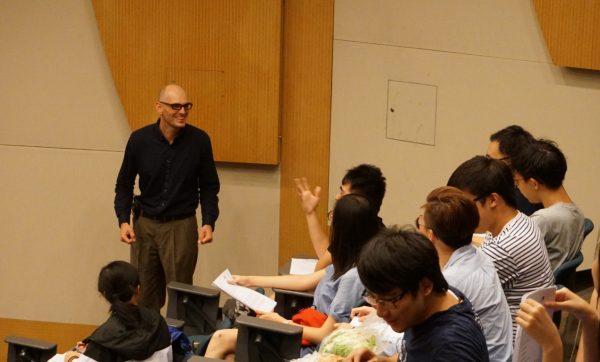
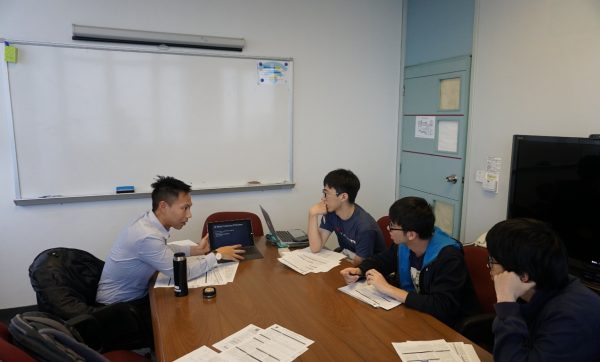
Workshops for FYP students: In 2016–17 academic year, one compulsory workshop on writing an FYP report in Information Engineering (IE) was held on 18 February, 2017. The second workshop held on and 24 April, 2017, was optional, which focused on designing a poster for FYP poster presentation in IE.
In 2017–18 academic year, the mandatory writing workshop was held again on 9 October, 2017, to brief the new cohort of IE FYP students. In additional, elements about FYP proposals and more practical suggestions were provided. The whole session was lengthened to one and a half hour due to positive requests from students of the previous cohort.
Common objectives of workshops:
- To familiarise students with overall structural conventions normally associated with IE report writing and presentation poster designing
- To help students relate structural elements to section headings in their FYP Reports and poster for presentation
- To give students direction in writing an abstract and a proposal
- To review basic standards of referencing on both a report and a poster
Student feedback survey: Feedback was collected from students through a questionnaire survey immediately after each workshop. Likert scale and open-ended questions focusing on the usefulness of the workshop were used. Suggestions for improving the workshop were also being solicited.
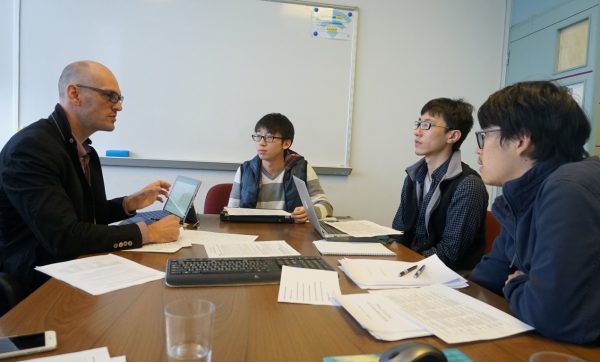
Poster presentation observations: The EAC team attended one session of the interim IE FYP poster presentation in early December, 2016, and another session of the final FYP poster presentation in early May, 2017. Through talking to some groups of students about their proposed projects and studying their posters, the EAC team grasped the language performance and needs of the students. Ideas were incorporated into tailor-made activities and materials so as to help the students improve their skills of presenting project objectives and concepts to both professional audience and laymen.
Interviews with teaching assistants: After a series of EAC supporting activities, the EAC team invited the three content TAs to a one-hour interview for obtaining some first-hand opinions on the students’ language use and performance in FYP report writing, and suggestions for improving the collaboration.
Outcomes
The collaboration model of the EAC team and the Department of IE has been well established within only one academic year. The series of language supporting events have been well-received as reflected in the student feedback surveys. All three content TAs of the previous year shared similar views that they have learnt more about report writing as well as balancing between content and language during the grading process. Therefore, the EAC team will continue to work with Prof Jaggi, the new content TAs and the Department of IE in the 2017-18 academic year. A new series of language supporting events has already been scheduled.
 |
 |
 |
 |
 |
 |
 |
 |
Background
In the first term of the academic year 2015-16, the EAC project team collaborated with the Department of Statistics in an attempt to enhance students’ language awareness and language use in writing an evaluative report for the course STAT3005 Applied Nonparametric Statistics. These students encountered difficulty in explaining technical information to their target audience.
Approach
Needs Analysis: The task and the mid-term reports of students were analyzed to identify features of an exemplary evaluative report and the students’ areas of improvement. A 20-point rating scale was used to score for the key features of an evaluative report.
Tailor-made Materials: Learning materials, a model text, and some annotated student works were prepared for the invited session to enhance the language awareness of the students.
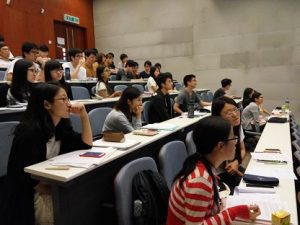
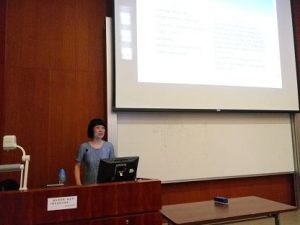
Feedback: A debriefing session was conducted by the EAC project team during their regular lecture to share the findings with the students. All learning materials and the model text were uploaded to Blackboard for independent learning after class.
Outcomes
The students received remarkably higher language marks in writing the evaluative report in the final examination.
 |
 |
 |
 |
Background
Design Studio is the key for every architecture student. Students spend days and nights on their projects, trying to impress their teachers and external judges during the “crit” – a presentation during which the students introduce their projects and take questions from the judges. The traditional academic presentation skills training does not fit the needs of architecture students, and language support for Design Studio presentation is not provided in the curriculum. In order to fill the gap, the ELTU and The School of Architecture decided to collaborate on tailor-made workshops dedicated to architecture students.
Approach
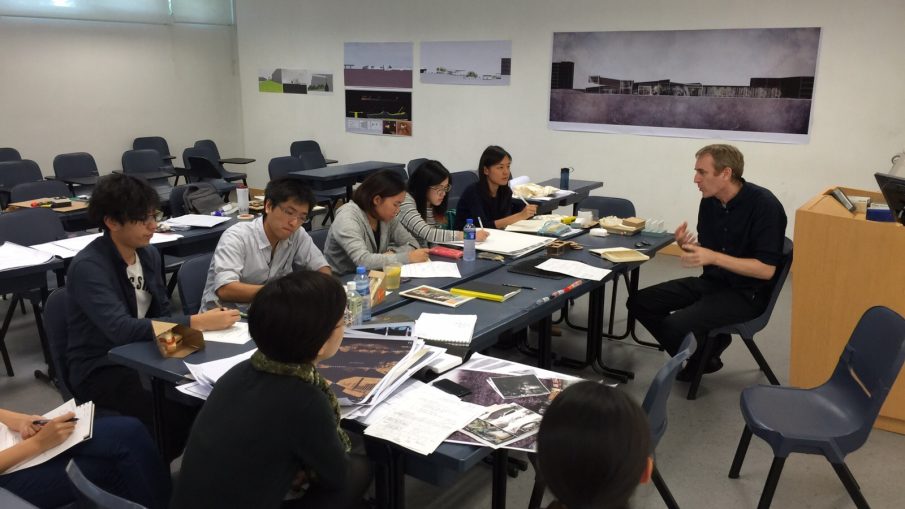
The ELTU teacher was invited to observe the first and second “crit” to get a better understanding of the studio presentations. Self-assessment sheets were given to students on their performance. Subsequently, two workshops were conducted to target at improving students’ visual communication presentation skills.
The first workshop consisted of 1) a lecture which highlighted the areas of improvement based on the previous two crits and 2) one-on-one sessions with the students to facilitate more personally-tailored interactions and answer more specific questions.
The second workshop aimed at helping students with any other issues they had just before the final crit. Students received specific feedback from the teacher.
Outcomes
Delivery:
– Interacting with the panel
– Time management
– Overcoming nerves
Language:
– Fluency
– Keywords,
Organization:
– Sequencing information
– Coherence and cohesion
Questions:
– Responding more to the critics
– Better preparation to face questions